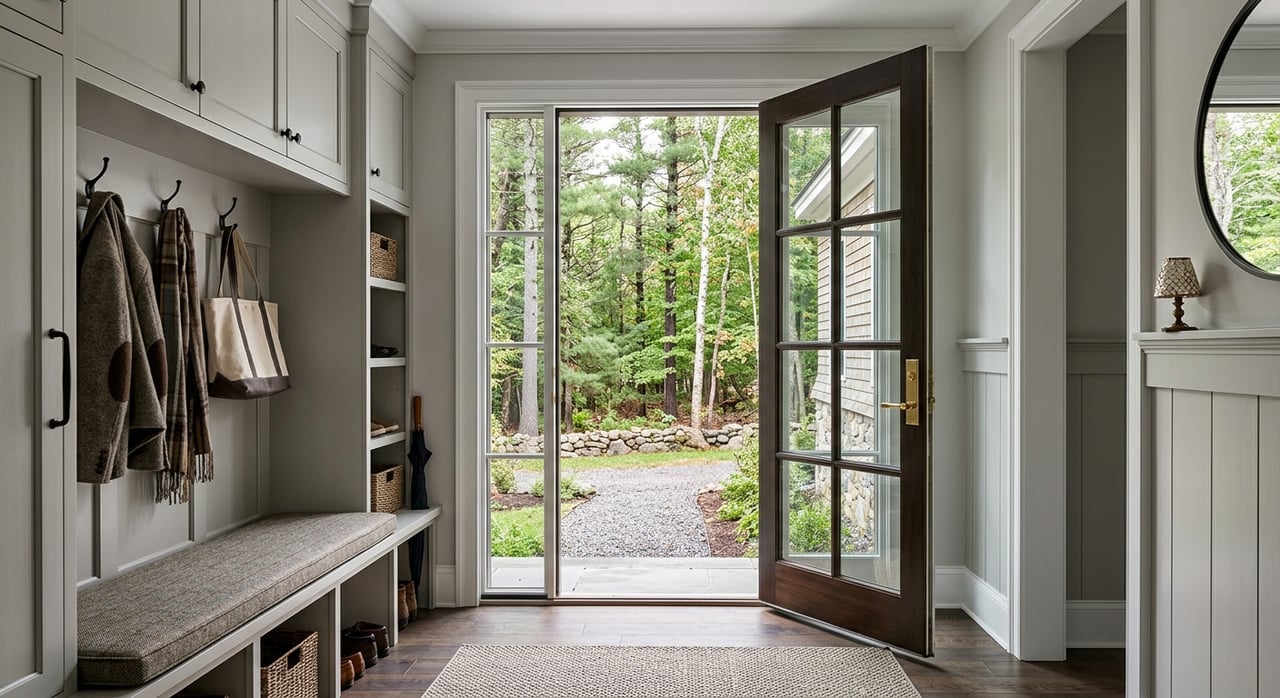
Dreaming about a cabin near Pinecrest Lake? It is easy to picture cool summer mornings, trail walks, and weekends on the water. But buying near Pinecrest is a little different from buying in a typical residential neighborhood, and knowing that upfront can help you make a smarter decision. In this guide, you’ll learn what to expect from the local housing stock, seasonal access, utilities, and rental rules so you can buy with confidence. Let’s dive in.
Pinecrest feels different from a typical neighborhood
Pinecrest Lake sits in the Stanislaus National Forest, about 30 miles east of Sonora along State Highway 108. The lake itself is a 300-acre reservoir owned and operated by PG&E, and the surrounding basin functions as a managed recreation area rather than a conventional lakeside subdivision.
That distinction matters when you start your home search. According to the Forest Service basin guide, there is no private property within the Pinecrest Basin recreation complex itself. So when buyers say they want to live “near Pinecrest Lake,” they are usually looking for a cabin in the broader Pinecrest area, not a home sitting directly inside the main recreation basin.
You should also expect convenience on a mountain scale. The basin includes a small commercial center with a store, restaurant, post office, fee showers, sports shop, and marina services. That setup is helpful, but it is not the same as having full-service town amenities right around the corner.
Pinecrest housing is often cabin-oriented
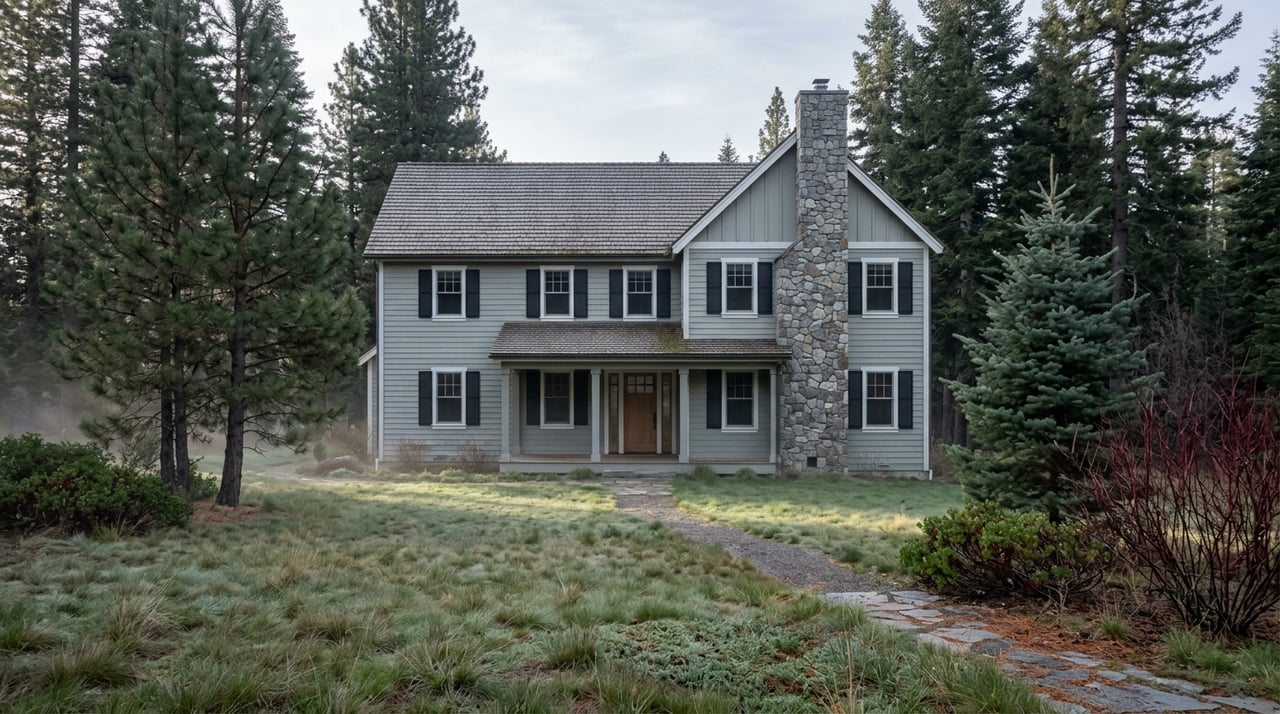
If you are coming from a suburban or larger rural market, Pinecrest inventory may feel unusually limited. Current listing patterns suggest a small, cabin-heavy market with modest home sizes and smaller lots than many buyers expect from mountain property.
Examples in current listings include cabins around 420 square feet, 1,300 square feet, and 1,940 square feet, along with features like decks, vaulted ceilings, A-frame designs, and wood stoves. While that is only a snapshot, it points to an important trend: Pinecrest tends to trade more like a niche cabin market than a broad year-round housing market.
That means your search may require flexibility. You may need to balance square footage, lot size, storage, parking, and seasonal usability rather than focusing only on the usual checklist you might use in a town market.
What buyers often notice first
When you tour homes near Pinecrest, you may see:
- Smaller footprints than expected
- Lots designed for cabin living rather than large estate use
- Features geared toward seasonal comfort, such as wood stoves and decks
- Limited active inventory at any given time
For many buyers, that is part of the appeal. The key is making sure the property fits how you actually plan to use it.
Seasonal access should shape your buying plan
Pinecrest has a strong seasonal rhythm. Forest Service materials note that basin campgrounds and day-use facilities are typically open from the start of fishing season through mid-October, while winter use shifts toward snow play and cross-country skiing.
Roads into the basin are regularly plowed during winter months, but access is still weather-sensitive. Caltrans treats State Route 108 and Sonora Pass as a seasonal mountain route and posts winter closure and reopening updates. If you plan to use the property in all seasons, access should be part of your buying criteria from day one.
This is especially important for second-home buyers who may be traveling from outside the area. A mountain address can look straightforward on a map, but travel times, snowfall, and road conditions can change the ownership experience in real life.
Questions to ask about winter access
Before you close, make sure you understand:
- Whether the road to the property is publicly maintained or privately maintained
- How snow removal is handled
- Where you can park during snow events
- Whether your typical vehicle setup matches winter conditions
- How often you realistically plan to use the property in colder months
Tuolumne County notes that road maintenance and snow removal can vary depending on whether roads fall within a county service area, a permanent road division, or private contract arrangements. The county also flags Pinecrest as a high-elevation area above 5,000 feet. In winter, parking on the traveled way during snow removal is prohibited.
Recreation activity can affect day-to-day ownership
Owning near Pinecrest Lake often means living alongside a recreation-driven environment. In summer, visitor activity is heavier, and some campground reservations are required between Memorial Day and Labor Day.
The day-use area is open from 6 a.m. to 10 p.m., and lake rules shape how the area functions. Overnight camping is prohibited in the day-use area, personal watercraft are prohibited, boat speed is limited to 20 mph on the lake and 5 mph near the marina and swim area, and the shoreline trail is limited to foot travel.
These rules are useful for buyers because they help set expectations. If you want a quiet mountain base close to recreation, Pinecrest can be a great fit. But if you are imagining a private lakeshore lifestyle with standard neighborhood patterns, the reality here is a bit different.
Summer ownership comes with more activity
During peak season, you should expect:
- More day visitors in the basin
- More traffic around recreation access points
- Higher demand for parking and services
- A more active public setting near the lake
That does not make ownership harder. It simply means buying near Pinecrest works best when your expectations match the area’s recreation-focused character.
Utilities should be verified property by property
One of the biggest mistakes buyers can make in mountain markets is assuming utilities work the same way from one home to the next. Near Pinecrest, utility setups can vary, so parcel-level due diligence is essential.
Tuolumne County’s Environmental Health Division oversees onsite wastewater systems and drinking water wells. County guidance notes that steep slopes or poor soils can require engineered or alternative septic systems, and those systems must be inspected and serviced at least annually.
Water service should also be confirmed for the specific property. TUD says most of the water it distributes comes from the South Fork Stanislaus River and is stored in PG&E’s Lyons and Pinecrest reservoirs, but that does not mean every cabin is on public water. A given property could be connected to public water, served by a private well, or use another arrangement.
Utility items to confirm before closing
Ask for clear information on:
- Water source and service arrangement
- Septic type, age, and maintenance history
- Any engineered or alternative septic requirements
- Trash pickup service details
- Seasonal access issues that affect service providers
The county notes that Pinecrest-area trash service is handled by Cal Sierra Disposal and Waste Management, and green waste can be taken to the Earth Resource Facility in Sonora. These details may seem small, but they shape how easy the property is to manage over time.
Short-term rental plans require extra review
If you are thinking about using a Pinecrest-area property as a short-term rental, make sure you understand the local rules before you buy. Tuolumne County adopted an ordinance in January 2024 that requires a Fire and Life Safety Inspection before operating or advertising a short-term rental.
The county also requires a Transient Occupancy Tax certificate, and the fire and life safety inspection must be renewed every two years. The application fee is $300. For buyers exploring investment potential, that means rental use is possible only with the right approvals and ongoing compliance.
This is one area where assumptions can cause expensive problems. If rental income is part of your buying strategy, verify the current requirements early and make sure the property can support your intended use.
Fire readiness matters in this market
Pinecrest’s forest setting is part of what makes it so appealing, but it also means you should plan for wildfire-related rules and seasonal restrictions. The Forest Service notes that conditions can change quickly, and homeowners should check CAL FIRE and local air-quality guidance before burning.
This matters for both safety and day-to-day property management. If you are buying a second home, you will want a clear plan for monitoring conditions, maintaining the property, and understanding local restrictions that may affect outdoor use.
A mountain property can be rewarding to own, but it tends to work best for buyers who are prepared for the practical side of ownership as well as the lifestyle side.
Pinecrest can be a great fit for the right buyer
For many buyers, Pinecrest offers exactly what they want: a cabin market with access to trails, water, snow-season recreation, and a true mountain setting. It can be a strong match for second-home buyers, recreational buyers, and some investors who are comfortable with limited inventory, parcel-specific utilities, and seasonal access.
The key is buying with clear eyes. Near Pinecrest Lake, you are not just buying a home. You are buying into a mountain ownership experience shaped by recreation patterns, weather, infrastructure, and local property rules.
If you want help sorting through those details, working with a team that knows Tuolumne County’s mountain micro-markets can make a real difference. When you are ready to explore Pinecrest-area homes or compare cabin options across the county, connect with Kayla Njirich-Weldon for local, practical guidance.
FAQs
What is it like owning a home near Pinecrest Lake?
- Owning near Pinecrest Lake usually means owning in a mountain cabin market near a managed recreation basin, with seasonal visitor activity, weather-sensitive access, and property-specific utility setups.
What types of homes are common near Pinecrest Lake?
- Homes near Pinecrest Lake tend to be cabins with modest square footage, smaller lots, and features like decks, wood stoves, vaulted ceilings, and A-frame designs.
Can you buy a lakefront home at Pinecrest Lake?
- The Forest Service basin guide says there is no private property within the Pinecrest Basin recreation complex, so buyers are typically purchasing near the lake rather than directly on the managed basin shoreline.
What should Pinecrest buyers know about winter access?
- Buyers should confirm whether roads are publicly or privately maintained, how snow removal is handled, and where parking is allowed during winter conditions, since access can vary by location.
Are utility systems near Pinecrest Lake the same for every property?
- No. Buyers should verify water source, septic type, maintenance requirements, and trash service for each parcel because mountain properties can differ significantly from one home to another.
Can a Pinecrest property be used as a short-term rental?
- Possibly, but Tuolumne County requires a Fire and Life Safety Inspection before operating or advertising a short-term rental, along with a Transient Occupancy Tax certificate and periodic inspection renewal.
Is Pinecrest a good fit for a second home?
- Pinecrest can be a strong fit for second-home buyers who want a cabin lifestyle and are comfortable with seasonal access, limited inventory, and the practical upkeep that comes with mountain ownership.