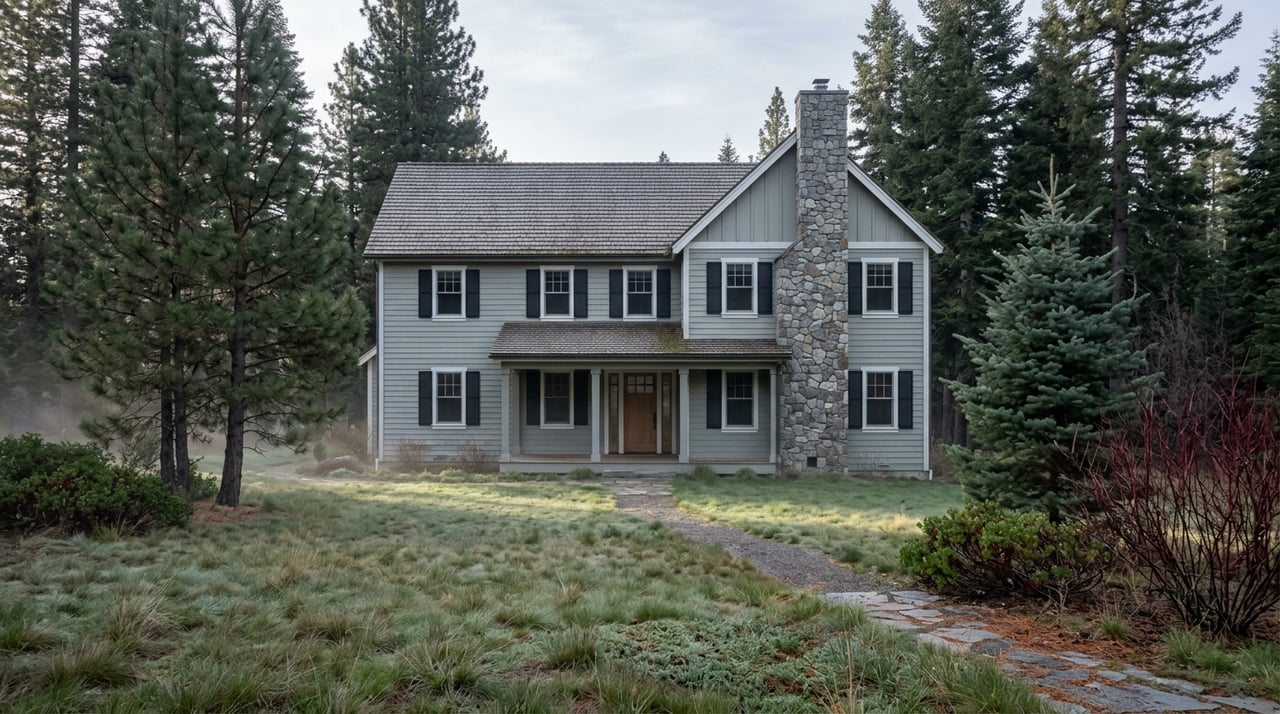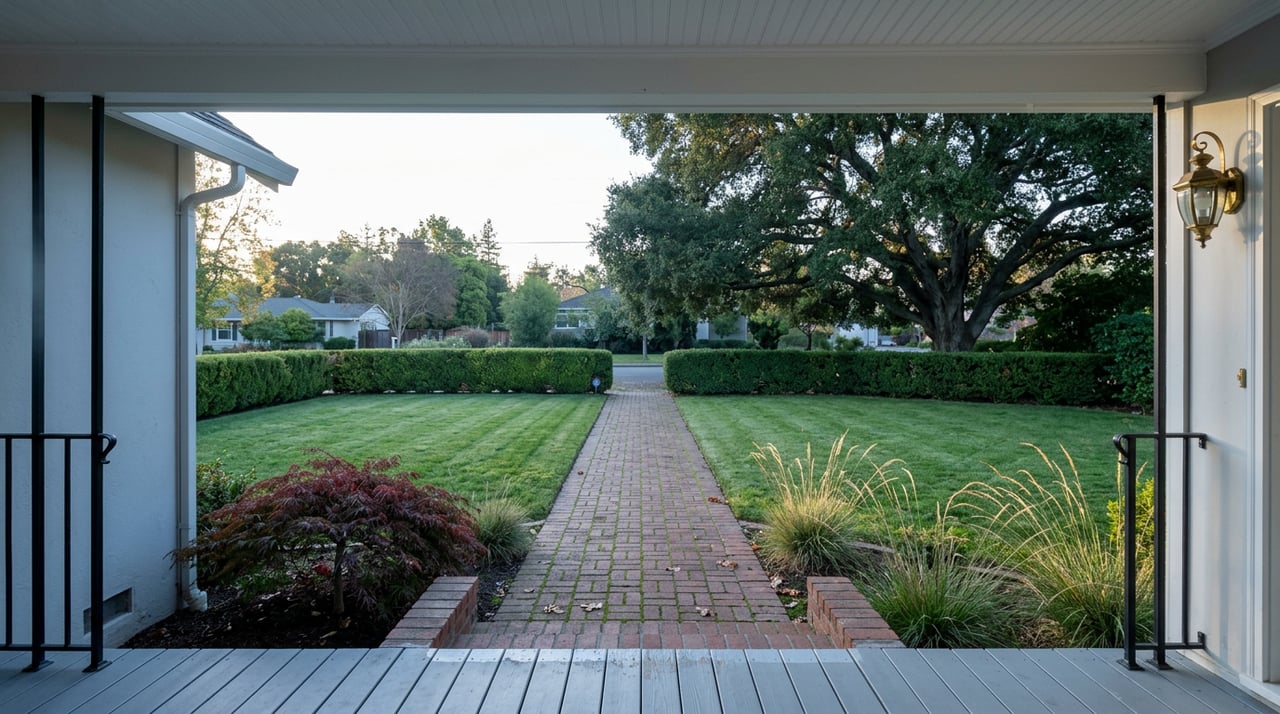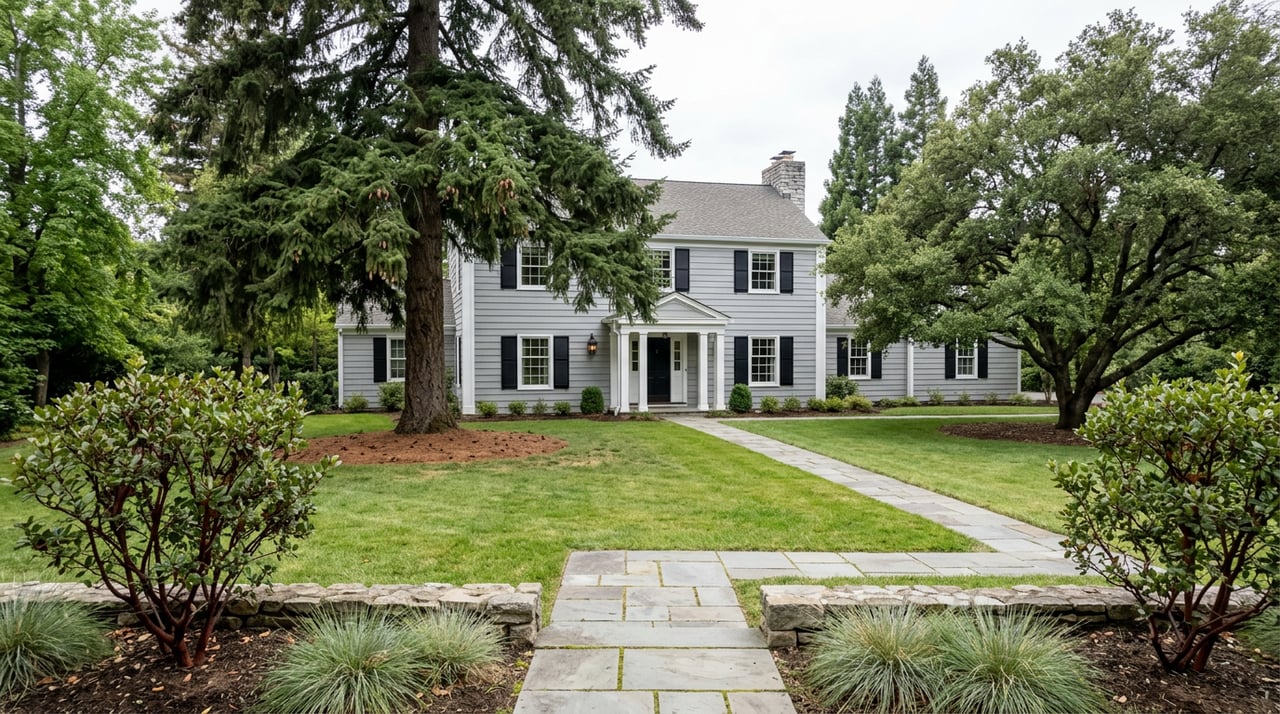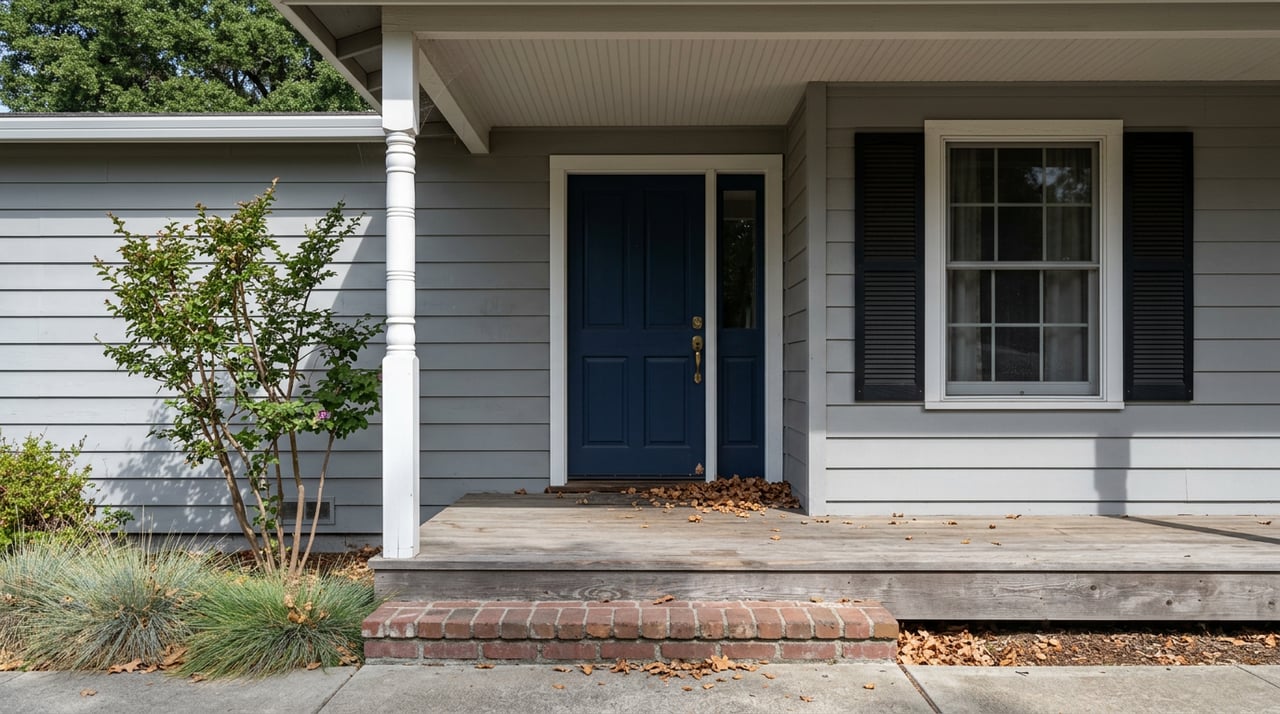
If you are thinking about buying a cabin or mountain home in Mi-Wuk Village as a rental, it helps to slow down before you fall in love with the view. In a market like this, rental potential is about more than charm. You need to understand seasonality, local demand, operating costs, and whether the property fits the way people actually use this part of Tuolumne County. This guide will help you evaluate the numbers and the practical details so you can make a smarter decision. Let’s dive in.
Start With Mi-Wuk Village Market Reality
Mi-Wuk Village is a small mountain community, and that shapes rental performance right away. Census Reporter’s ACS 2024 5-year profile lists 886 residents, 465 households, and 1,179 housing units. That wide gap between occupied households and total housing units suggests a meaningful seasonal or second-home presence rather than a large, steady year-round renter base.
That does not mean a rental property cannot work here. It means you should avoid using the same assumptions you might use in a larger town or suburban area. In Mi-Wuk Village, the best rental strategy often depends on matching the property to the way people visit, stay, and travel through the Highway 108 mountain corridor.
The local housing stock also appears older, and the median age is 56.4. Combined with the small population base, that points to a narrower pool for traditional year-round rentals than you might find in a more commuter-oriented market. If you are evaluating a property, it is smart to test multiple use cases before you make an offer.
Focus on the Right Rental Strategy
Before you estimate income, decide what kind of rental you are really buying. In Mi-Wuk Village, that usually means comparing long-term, seasonal, mid-term, or short-term use. The wrong strategy can make a property look better on paper than it performs in real life.
Long-Term Rentals
If your plan is annual leasing, look at the market conservatively. For ZIP code 95346, HUD’s FY 2026 small-area fair market rents list 1-bedroom units at $1,610, 2-bedroom units at $2,040, 3-bedroom units at $2,670, and 4-bedroom units at $3,420. These figures are best used as a baseline, not as a promise of actual market rent.
In a mountain area with a smaller full-time population, long-term tenant demand may be more limited than many buyers expect. That means you should ask whether the likely rent supports your payment, reserves, insurance, and maintenance even if the property sits vacant longer than planned. Conservative underwriting matters here.
Short-Term and Seasonal Rentals
Mi-Wuk Village has a strong recreation story, and that can support short-term or seasonal demand. Tuolumne County reports tourism as a major economic driver, with 2025 travel spending of $304.2 million and 2,640 tourism jobs. For this area, the biggest draw comes from the Highway 108 corridor, including Pinecrest Lake and Dodge Ridge.
The U.S. Forest Service notes that Pinecrest Lake is 30 miles east of Sonora on Highway 108 and offers camping, boating, hiking, and fishing, along with winter snow play and skiing activity connected to Dodge Ridge. That points to demand patterns that often strengthen during summer vacation periods, winter weekends, and holiday stretches. In other words, occupancy may be highly seasonal rather than evenly spread across the calendar.
Evaluate Demand by Season
A property with strong rental potential in Mi-Wuk Village usually performs because it fits local travel patterns. You are not just buying bedrooms and bathrooms. You are buying access, convenience, and a mountain experience that works in more than one season.
Summer Demand
Summer appeal is closely tied to outdoor recreation. Homes that make it easy for guests to enjoy lake days, hiking, and time outside may have stronger appeal during peak vacation weeks. Outdoor space, storage for gear, and a comfortable setup after a day outside can matter just as much as square footage.
Winter Demand
Winter creates a different test. A home may look attractive in July but become much harder to rent if access, parking, or snow management are difficult. Easy winter access and practical parking should be high on your checklist if you want to capture ski and snow-play traffic.
Shoulder Season Reality
Shoulder seasons can be where cash flow assumptions break down. If the property only performs well during a few peak windows, your annual revenue may look very different from a simple nightly-rate projection. That is why it helps to ask not only when demand is strongest, but how long the slower periods may last.
Score the Property Like an Operator
Once you understand market shape and seasonality, turn your attention to the property itself. In Mi-Wuk Village, the best rental candidates tend to balance guest appeal with day-to-day practicality. A pretty cabin is not always a strong rental.
Access and Parking Matter More Than You Think
Start with arrival. Is the home easy to reach in winter, and is there enough parking for the likely guest count? In mountain markets, difficult access can limit both guest satisfaction and operational reliability.
If parking is tight or the approach is awkward during snow or ice, that should affect your budget and offer price. These are not small details. They can directly affect booking appeal and management headaches.
Layout Should Match Likely Use
Think about the likely renter, not just the floor plan on paper. Does the home have enough bedrooms and bathrooms for the guest mix you expect? A layout that works well for vacation groups may outperform a home with similar square footage but less practical sleeping and bath arrangements.
Systems Need To Be Reliable
Mountain rentals need dependable basics. Heat, hot water, laundry, and internet should all be evaluated carefully, especially if you expect frequent turnover or longer guest stays. If one of these systems is weak, the property may require more upfront investment than the listing price suggests.
Outdoor Function Counts
The site should also support practical use and safety. Can guests move around the property easily in different seasons? Is there room for gear, outdoor enjoyment, and clear emergency access? A home that stays functional in both summer and winter usually has broader rental appeal.
Understand Tuolumne County Short-Term Rental Rules
If you are considering short-term use, local compliance is part of the investment analysis. In Tuolumne County, short-term rentals are defined as stays of at least one night and no more than 30 days. That definition matters because it triggers specific county requirements.
The county requires a fire and life safety inspection, with renewal every two years. It also requires a 24-hour local contact person who can be onsite within 60 minutes, a visible address, smoke alarms, carbon monoxide alarms where fuel-fired appliances or fireplaces exist, a fire extinguisher, and defensible-space compliance.
Those requirements should be treated as part of your pre-offer checklist, not as an afterthought once escrow is underway. If a property needs upgrades to meet inspection standards, your startup costs may be meaningfully higher than expected.
Build the Real Costs Into Your Numbers
One of the biggest mistakes buyers make is focusing too much on gross rent and not enough on operating drag. In Mi-Wuk Village, several local cost items can change the deal quickly.
Transient Occupancy Tax and Fees
Tuolumne County charges a 12 percent transient occupancy tax on short-term lodging in the unincorporated area. The county also requires a transient occupancy tax certificate to operate a short-term rental and charges a $300 short-term rental application fee. Inspections must be renewed every two years.
The county states that Airbnb collects county transient occupancy tax, while other booking channels generally do not. If you plan to list across multiple platforms or take direct bookings, you need to understand how that affects your process and overhead.
Furnishings May Affect Annual Taxes
A furnished vacation rental can bring added annual cost beyond the usual home expenses. Tuolumne County says short-term-rental business property is appraised annually at current market value, and taxable personal property includes furniture, appliances, equipment, and supplies used in the rental activity.
That means a turnkey cabin may carry more annual overhead than an unfurnished long-term rental. If you are comparing use types, this is an important line item to include.
Wildfire and Defensible Space Costs
Wildfire compliance should be budgeted as an ongoing cost. Tuolumne County’s defensible-space guidance uses Zone 0 from 0 to 5 feet, Zone 1 out to 30 feet, and Zone 2 out to 100 feet from a structure. Properties with mature trees, brush, or steeper terrain may need ongoing vegetation management and home-hardening work.
This is especially important in mountain settings where curb appeal and natural surroundings can come with extra maintenance. Treat this as part of ownership, not a one-time cleanup.
Use a Simple Pre-Offer Checklist
Before you write an offer, pressure-test the property with a few practical questions:
- Is your intended use long-term, mid-term, seasonal, or short-term?
- What season appears to drive the most demand?
- How long might the shoulder season last?
- Does the home already meet county short-term rental fire and safety requirements?
- Will you have a local contact person who can respond within 60 minutes if needed?
- How much cash flow remains after cleaning, snow removal, vegetation management, fees, vacancy, and furnishing-related tax exposure?
- If you plan annual leasing, does the projected rent make sense when compared with the ZIP 95346 fair market rent baseline?
This kind of checklist will not answer every question, but it can help you avoid paying vacation-home pricing for a property with weak rental fundamentals.
What a Strong Mi-Wuk Village Rental Usually Looks Like
In this market, the strongest rental candidate is often the one that fits the mountain use case first. It is easy to access, practical to maintain, and appealing across more than one season. It also has a realistic operating plan behind it.
That may be a property that works better as a seasonal or short-term rental than as a year-round lease. It may also be a home that looks modest at first glance but checks the right boxes for parking, safety, systems, and defensible space. In Mi-Wuk Village, practical durability often matters just as much as charm.
If you want help evaluating a cabin, mountain home, or investment property in Mi-Wuk Village, Kayla Njirich-Weldon can help you look beyond the listing photos and assess the local market factors that really drive value.
FAQs
What makes rental demand different in Mi-Wuk Village?
- Mi-Wuk Village is a small mountain community with a notable gap between total housing units and occupied households, which suggests a meaningful seasonal or second-home presence rather than a large year-round renter base.
What rent benchmark can you use for a long-term rental in Mi-Wuk Village?
- For ZIP 95346, HUD’s FY 2026 small-area fair market rents list 1BR at $1,610, 2BR at $2,040, 3BR at $2,670, and 4BR at $3,420, which can be used as a conservative baseline rather than a direct market comp.
What drives short-term rental demand near Mi-Wuk Village?
- Recreation along the Highway 108 corridor, including Pinecrest Lake and Dodge Ridge, supports demand that often strengthens during summer vacation periods, winter weekends, and holidays.
What short-term rental rules apply in Tuolumne County?
- Tuolumne County requires a fire and life safety inspection, renewal every two years, a local contact person available 24 hours a day who can be onsite within 60 minutes, visible addressing, certain alarms, a fire extinguisher, and defensible-space compliance.
What extra costs should you budget for a Mi-Wuk Village rental?
- Key costs may include transient occupancy tax for short-term lodging, application and inspection fees, cleaning, snow removal, vegetation management, and possible annual tax exposure on furniture and equipment used in a short-term rental.
Why does winter access matter for Mi-Wuk Village rental potential?
- In a mountain market, difficult winter access or limited parking can reduce guest appeal and create management issues, so these factors should be part of your purchase decision and pricing analysis.