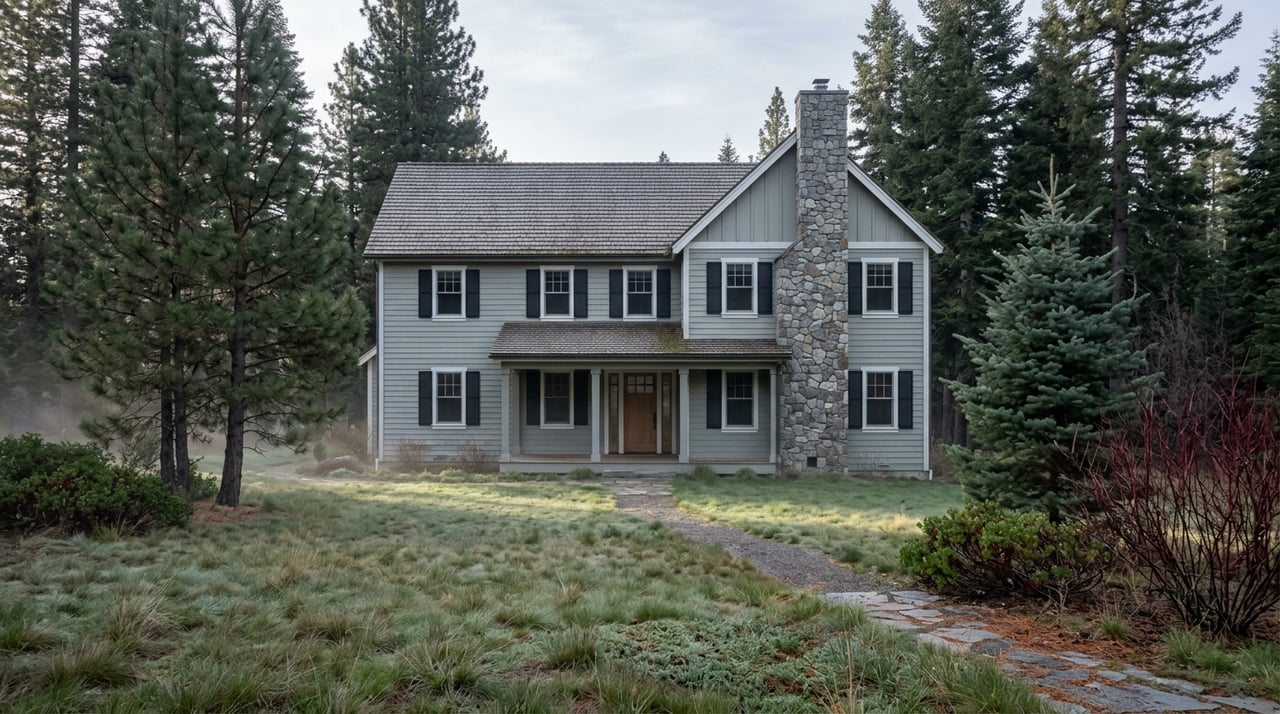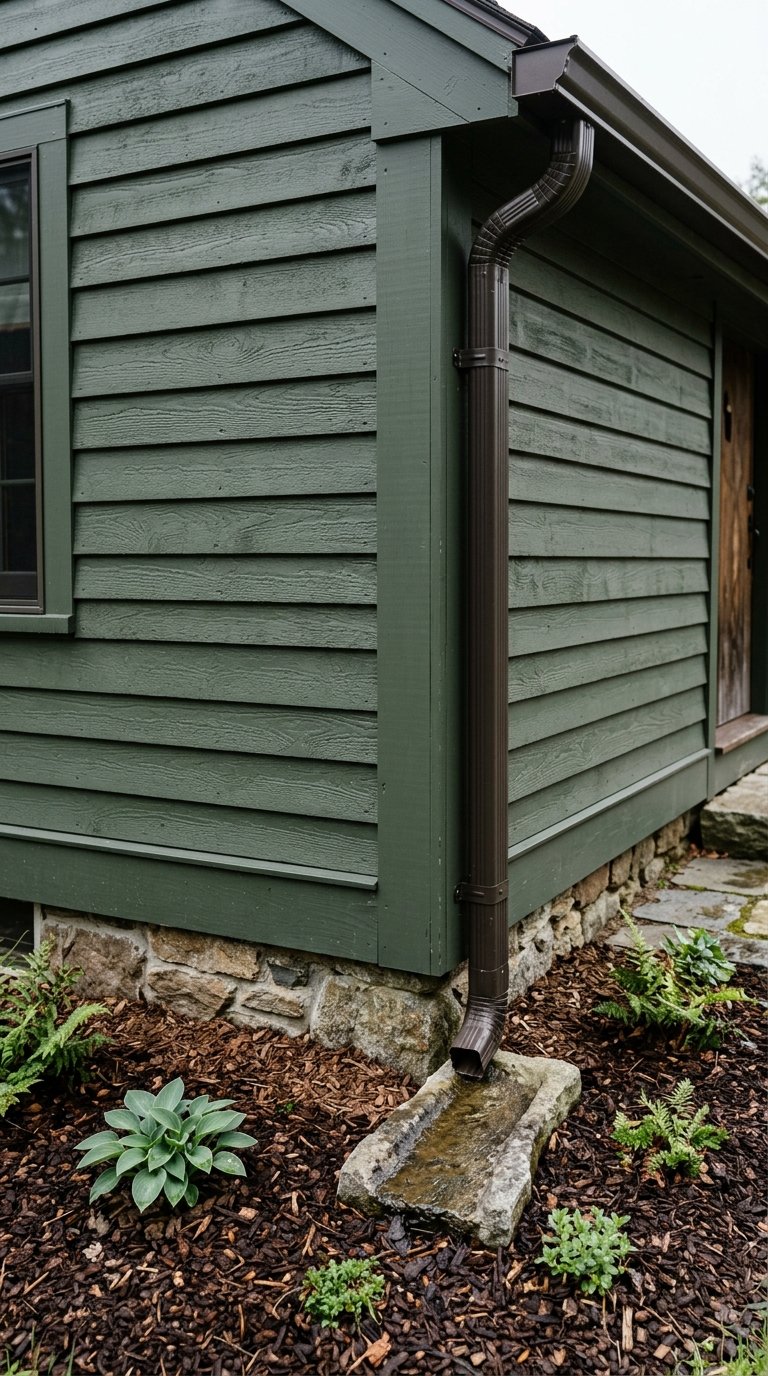
Wondering how to protect a Pinecrest-area cabin through snow, smoke, freeze risk, and summer fire season? Cabin maintenance in this part of Tuolumne County is not just about curb appeal. At roughly 5,600 feet, Pinecrest properties face a shorter repair window, winter weather challenges, and seasonal systems like wells and septic that need regular attention. This guide walks you through a practical year-round maintenance rhythm so you can stay ahead of repairs, protect your investment, and feel more prepared whether you use your cabin often or only seasonally. Let’s dive in.
Why Pinecrest cabins need seasonal planning
Pinecrest sits in a high-elevation mountain setting, and that shapes almost every part of cabin upkeep. Snow, freezing temperatures, wildfire risk, and shorter construction seasons all affect when and how you handle maintenance.
If your cabin is a Forest Service recreation residence, the maintenance stakes are even higher. The Forest Service requires cabins to be kept neat and in good repair, requires fire clearances, restricts outdoor storage, and may require approval for many repairs or exterior changes. It also notes that unresolved maintenance or missing documents can affect permit status.
Fall maintenance before freeze-up
Fall is the time to get ahead of the biggest winter risks. If you wait until the first major storm, your repair window may already be closing.
Winterize plumbing early
Before the first freeze or any long vacancy, shut off water and drain the plumbing system. That includes supply lines, the pressure tank, the water heater, and connected appliances.
This matters even more for cabins that sit empty for stretches of time. Low-use and seasonal homes are more vulnerable to freeze damage, and fixing a burst pipe in winter can be expensive and difficult.
Check septic before winter
If your cabin will be used only a few times during winter, a septic pump-out can be a smart preventive step. Seasonal-use systems can behave differently than full-time residences, especially when temperatures drop and usage is irregular.
Tuolumne County says standard septic systems should be inspected at least every 3 years and pumped generally every 3 to 5 years. Alternative systems with pumps or mechanical parts usually need annual inspection.
Finish exterior repairs on time
Roofs, siding, decks, and exterior paint should be reviewed well before winter weather arrives. The Forest Service notes that the repair season in Pinecrest is usually short, so larger exterior projects should be scheduled early enough to finish before conditions change.
A simple fall walkaround can help you spot loose boards, worn paint, roof wear, or drainage issues before snow starts to build up. Catching these items early often prevents more expensive damage later.
Prepare for snow access
Tuolumne County treats Pinecrest as part of its snowplow territory above 5,000 feet. That means winter access is part of your maintenance plan, not a separate issue.
Keep the driveway and road edge clear for plows, and avoid leaving obstacles in the right-of-way. The county also prohibits parking on the pavement or shoulder during snow removal, and recommends clearing your driveway after each plow pass and carrying tire chains when conditions require them.
Plan for power shutoffs
High fire-threat conditions can sometimes lead to planned power shutoffs from PG&E. If you are an out-of-area owner, it helps to plan for occasional outages and sign up for utility alerts.
That extra step can help you respond faster if a storm or fire-weather event affects your cabin while you are away. It is especially useful if you rely on remote monitoring or seasonal check-ins.
Spring cleanup after snowmelt
When the snow starts to clear, your first goal is to look for damage and remove built-up debris. Spring is the reset season for Pinecrest cabins.
Clear roofs, gutters, and decks
Tuolumne County recommends removing dead vegetation from roofs and gutters, trimming trees away from roofs and chimneys, and keeping the area around the cabin clean. Pine needles, branches, and winter debris can trap moisture and raise fire risk once the dry season begins.
Start with the top of the structure and work your way down. Rooflines, gutters, decks, and the ground immediately around the cabin should all be part of your first spring cleanup.
Inspect for winter damage
Snow and ice can be hard on exterior surfaces. As you inspect the property, look for loose roofing materials, damaged steps, worn deck boards, cracked caulking, chimney wear, and drainage issues caused by runoff.
Spring is also a good time to review any exterior work that may need approval if your property is a Forest Service recreation residence. It is easier to plan repairs early than to lose valuable dry-weather work time later.
Summer defensible space and fire prep
In Pinecrest, summer maintenance is closely tied to wildfire readiness. A clean, well-managed property can help reduce risk and make the cabin easier to maintain.
Maintain 100 feet of defensible space
California law requires 100 feet of defensible space around qualifying structures. Tuolumne County breaks that area into three working zones: 0 to 5 feet, 30 feet, and 100 feet.
The county also recommends keeping grass short in the defensible-space area, and annual grass in the outer zone should be cut or mowed to a maximum of 4 inches. In practical terms, that means regular trimming, cleanup, and removal of flammable vegetation through the dry season.
Focus on the ember-resistant zone
The area closest to the cabin deserves special attention. The 0 to 5 foot zone is often called the ember-resistant zone, and it is one of the most important areas to keep clean and well managed.
This is where pine needles, leaves, and other combustible debris can create trouble fast. Keeping this zone tidy supports both everyday maintenance and seasonal fire preparation.
Review home-hardening items
CAL FIRE recommends home-hardening upgrades such as ember-resistant vents or metal mesh with openings between 1/16 and 1/8 inch. If you are planning repairs anyway, this can be a smart category to review.
For owners thinking about selling, these updates can also be part of listing preparation. Along with cleaning and cosmetic touch-ups, home-hardening improvements may help you present the property as better maintained and better prepared.
Water, well, and septic checks
Cabin systems often fail quietly before they fail visibly. A seasonal review of water and waste systems can help you avoid surprise repairs.
Test private wells annually
Tuolumne County Environmental Health oversees the siting, design, construction, and water-quality testing of new drinking-water wells. For ongoing private well care, annual testing is recommended for total coliform bacteria, nitrates, total dissolved solids, and pH.
If your cabin is used seasonally, annual testing gives you a more consistent record of water quality over time. It is a practical step whether you are staying put or thinking ahead to a future sale.
Follow a septic service schedule
Septic maintenance is easy to postpone, but delays can get expensive. Tuolumne County says standard systems should be inspected at least every 3 years and pumped generally every 3 to 5 years, while alternative systems usually need annual inspection.
The county also advises owners not to flush wipes, hygiene products, grease, or household chemicals. It also says not to drive or park on the drainfield or septic components, since that can damage the system.
Fix leaks before cold weather
Even a small leak can turn into a bigger winter problem in a seasonal cabin. If you notice dripping fixtures, slow plumbing issues, or damp spots, address them before temperatures drop.
This is especially important for cabins that may sit empty for stretches of time. Preventive work is almost always easier than a midwinter emergency response.
Debris removal and burning rules
Mountain properties generate constant debris, especially after storms and during fire season cleanup. But disposal needs to follow local rules.
Tuolumne County allows burning only on permissive burn days. It prohibits burn barrels, discourages burning leaves and pine needles because of smoke, and recommends chipping or shredding vegetation as a lower-smoke option.
If you are planning a major cleanup, check conditions before you burn and consider whether chipping is the cleaner and simpler route. That approach often fits better with routine seasonal maintenance.
Smoke season tips for cabin owners
Summer and early fall can also bring smoke impacts. Tuolumne County public health advises residents to monitor air quality, keep windows closed when smoke is heavy, avoid candles and fireplaces during smoky periods, and run air conditioning on recirculate with a clean filter if available.
For seasonal owners, it helps to include smoke planning in your regular cabin checklist. Clean filters, closed windows, and a simple arrival inspection can make the cabin more comfortable during fire season.
If you may sell your cabin
If a sale may be on the horizon, good maintenance records can make your next steps easier. In Pinecrest, records matter because they help show how the property has been cared for and whether key systems have been serviced.
Keep records organized
Useful documents include septic pumping dates, well test results, defensible-space photos, and invoices for roof, chimney, deck, or exterior repairs. These records line up with the maintenance issues most likely to come up during listing preparation or a transfer.
If the cabin is a Forest Service recreation residence, recordkeeping is even more important. The Forest Service says the sale process starts with the Special Use Permit Administrator, and unresolved maintenance or missing documents can affect permit status.
Plan listing prep around cabin realities
Cabin sales are different from in-town home sales because buyers often pay close attention to access, seasonal systems, exterior upkeep, and compliance details. A strong pre-listing plan usually starts with maintenance, cleanup, records, and a realistic review of any needed repairs.
That is where local guidance can make a real difference. A Pinecrest-area cabin benefits from a strategy that understands mountain property timing, seasonal risk, and what buyers tend to notice first.
Staying ahead of seasonal maintenance protects more than the cabin itself. It protects your time, your budget, and your options if you decide to use the property more often, hold it long term, or bring it to market. If you want help preparing a Pinecrest-area cabin for sale, pricing, or next-step planning, connect with Kayla Njirich-Weldon.
FAQs
What seasonal maintenance matters most for a Pinecrest-area cabin?
- The biggest priorities are winterizing plumbing, checking the roof and exterior before snow, maintaining defensible space, cleaning spring debris, and staying on schedule with well and septic service.
What defensible space is required around a Pinecrest cabin?
- California law requires 100 feet of defensible space around qualifying structures, and local guidance breaks that into 0 to 5 foot, 30 foot, and 100 foot zones.
What septic maintenance schedule should Pinecrest cabin owners follow?
- Tuolumne County says standard septic systems should be inspected at least every 3 years and pumped generally every 3 to 5 years, while alternative systems usually need annual inspection.
What well testing should a Pinecrest seasonal property have?
- Annual private well testing is recommended for total coliform bacteria, nitrates, total dissolved solids, and pH.
What should owners know about snow access in Pinecrest?
- Pinecrest is part of Tuolumne County’s snowplow territory above 5,000 feet, and owners should keep driveways and road edges clear, avoid parking on pavement or shoulders during snow removal, and be ready with tire chains when needed.
What records help most when selling a Pinecrest-area cabin?
- The most useful records usually include septic pumping dates, well test results, defensible-space photos, and invoices for roof, chimney, and exterior repairs.