Two Sonora homes can look identical on paper and still sell for very different prices. If you’ve toured a cozy bungalow near downtown and a similar one up in the foothills, you’ve felt that gap. You want a clear way to sort out why some homes fly off the market while others linger. This guide explains how Sonora’s micro-markets shape price, days on market, and your day-to-day life so you can search smarter and negotiate with confidence. Let’s dive in.
What a Sonora micro-market is
Sonora isn’t one market. It’s a set of small, overlapping micro-markets where location, utilities, lot size, and risk profiles change buyer demand and pricing.
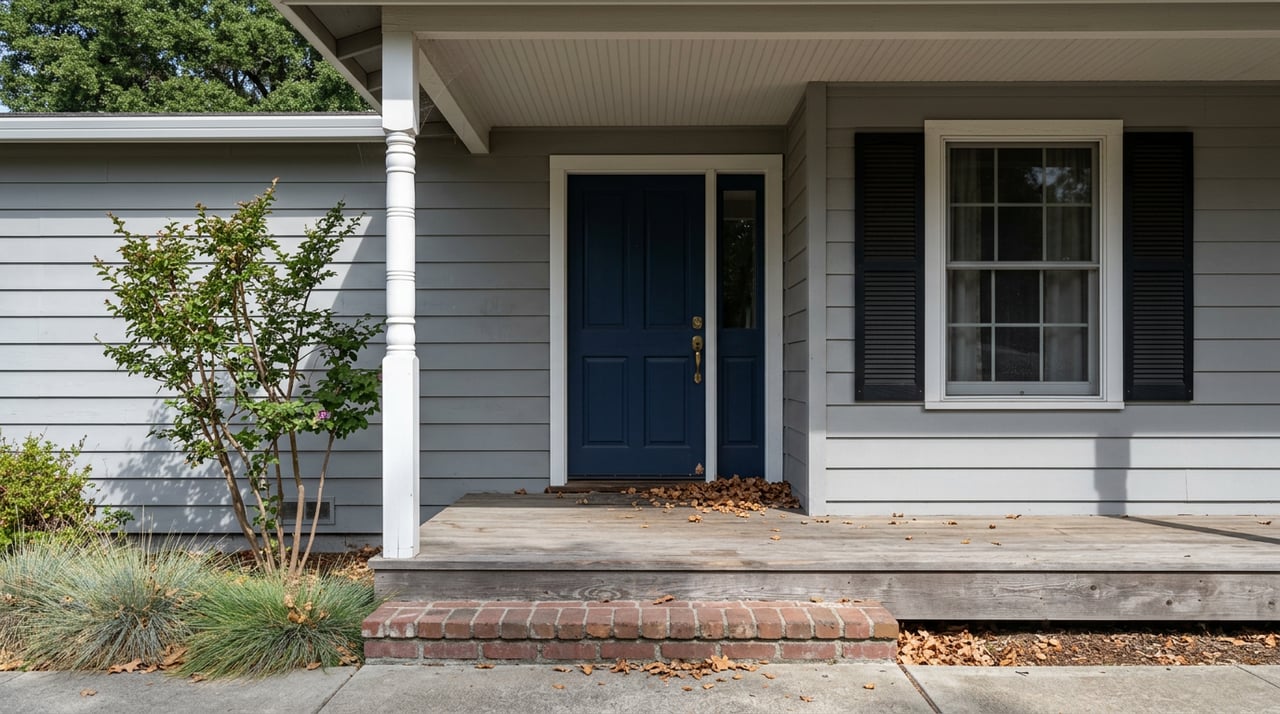
Downtown Sonora
- Core streets around Broadway and the historic district.
- Mix of historic cottages, mixed-use buildings, and apartments above shops.
- Walkable to dining, services, and events. Popular with buyers who value convenience and investors who like rental potential.
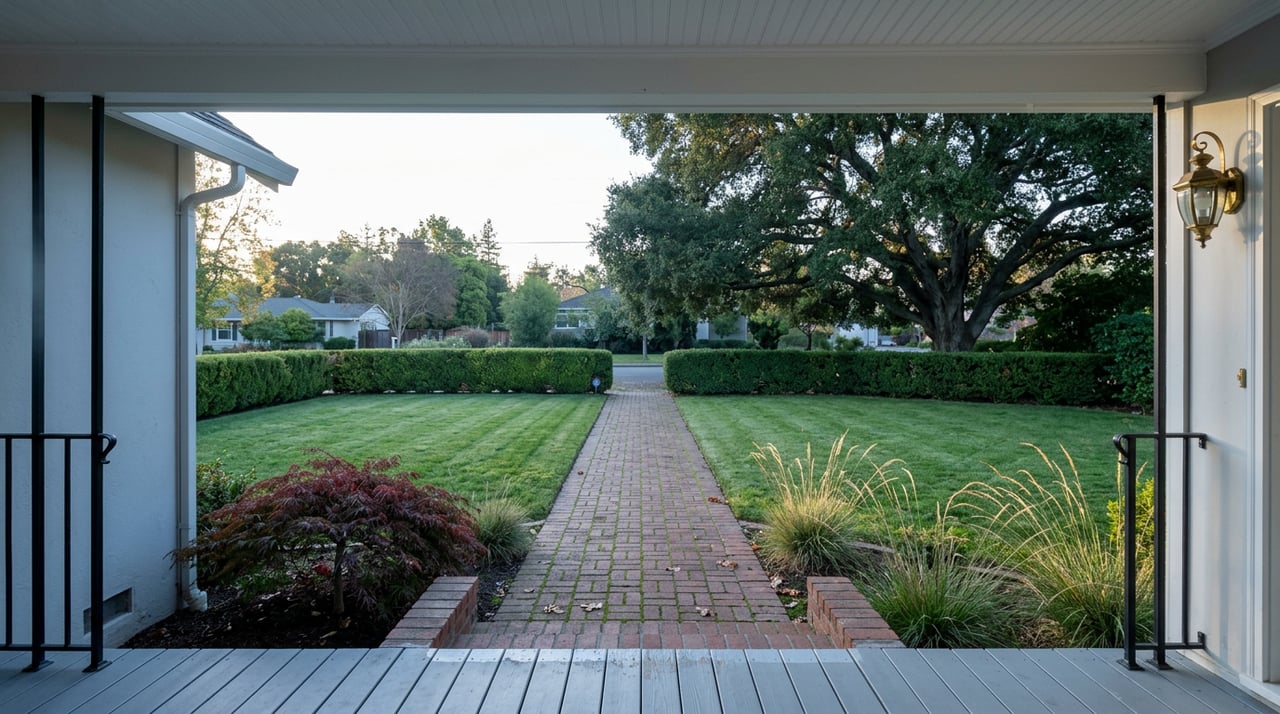
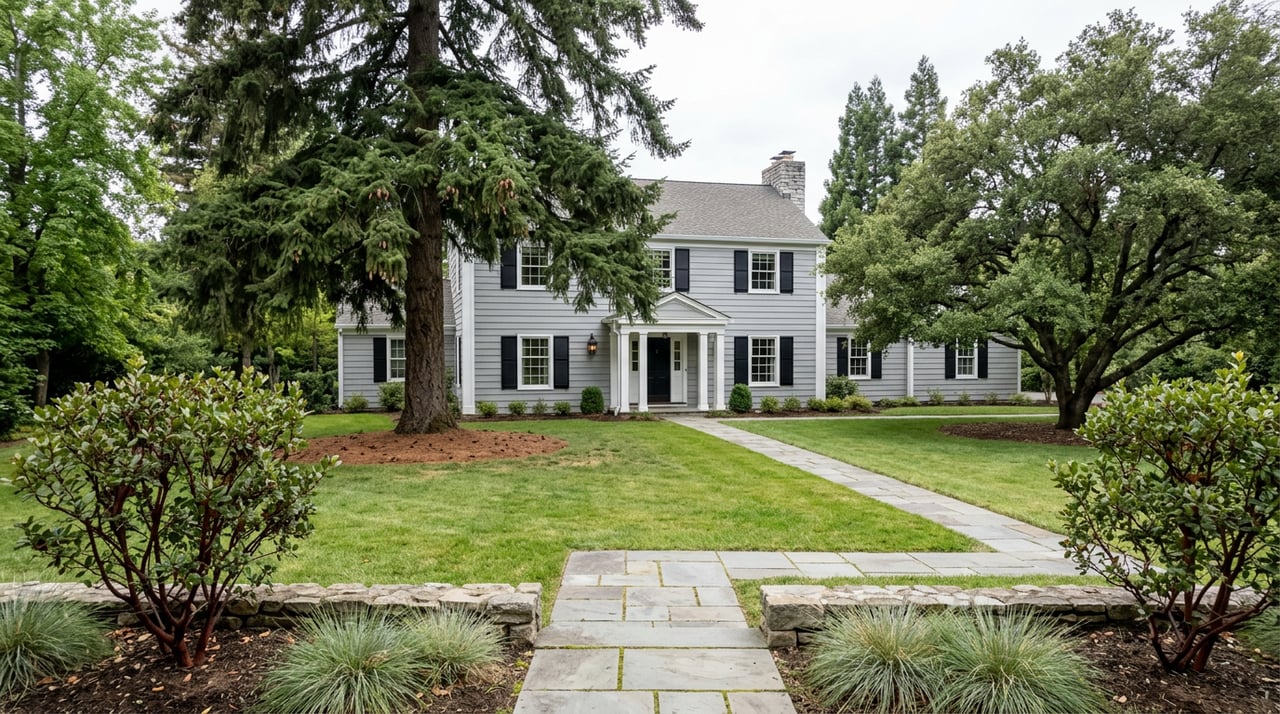
In-town neighborhoods
- Residential streets a few blocks off the core.
- Mostly single-family homes from early 1900s through mid-century, often with city sewer and water.
- A fit if you want nearby services and a neighborhood feel.
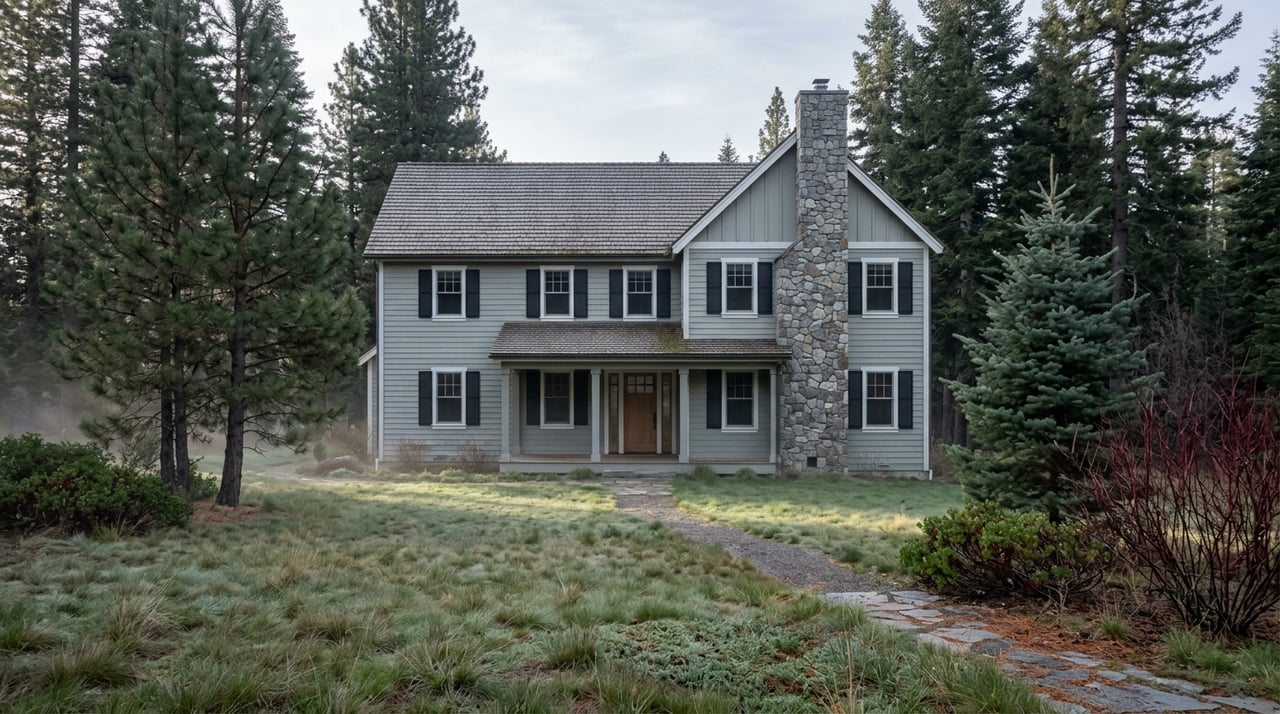
Foothill and outlying areas
- Hillsides and plateaus just outside the city limits, often at higher elevation.
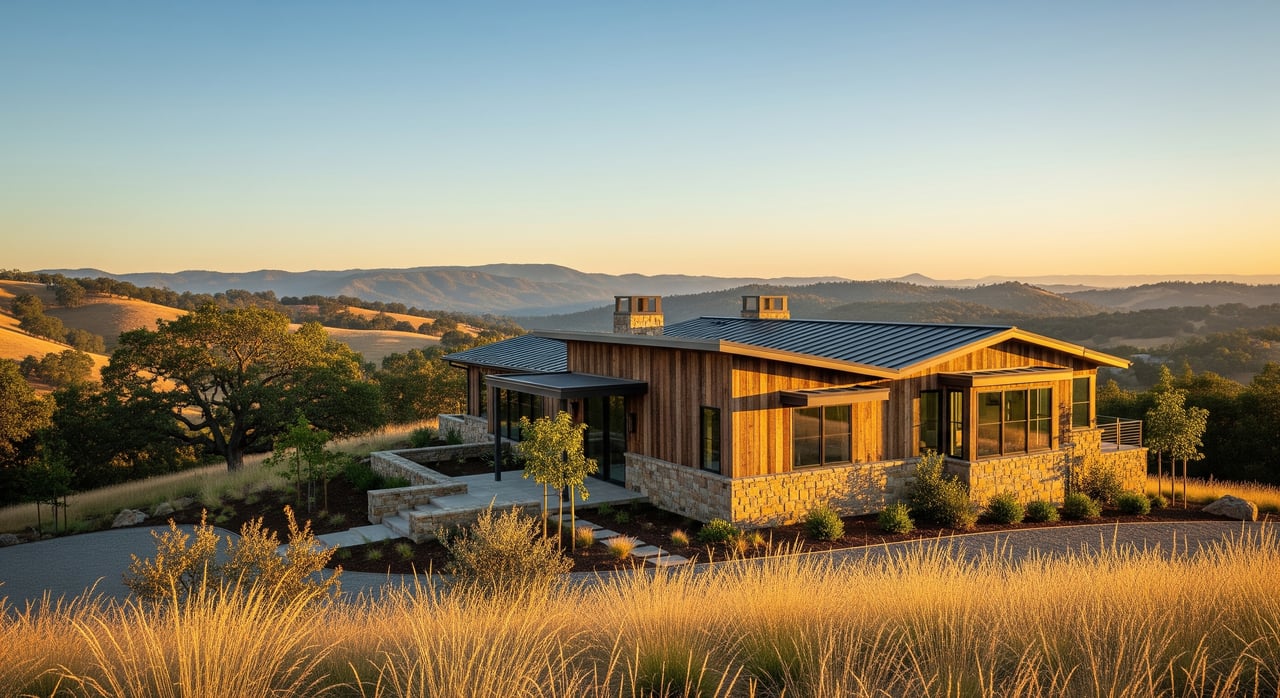
- Larger lots, views, and newer construction in some pockets. Wells and septic are common.
- Ideal if you want privacy, land, or space for animals and workshops.
Tip: Instead of hard boundary lines, think in simple map slices like 0–0.5 miles from downtown, 0.5–2 miles in town, and 2+ miles at higher elevation. Your MLS search can mirror these.
Why similar homes sell differently
Walkability and amenities
Being able to step out for coffee, errands, and events adds real value. Downtown convenience draws buyers and renters, which can translate to stronger offers and shorter market times.
Historic character and age
Historic homes offer charm and a sense of place. They may have renovation limits and higher upkeep, which buyers and appraisers factor into value.
Lot size, views, and privacy
Foothill parcels often deliver big lots and views. That can raise per-parcel value, but price per square foot varies with condition and distance to services.
Utilities and on-site systems
In-town homes are more likely to have municipal sewer and public water, which can simplify financing and inspections. Foothill properties with wells and septic require added diligence and can face lender conditions.
Wildfire, slope, and access
Higher-elevation and hillside areas are more likely to sit in higher wildfire severity zones. Insurance availability and cost influence buyer demand. Steep or narrow roads can also narrow the buyer pool.
Short-term rental and tourism demand
Proximity to historic downtown and regional attractions can boost interest from second-home and rental buyers. Local zoning and ordinances determine what is allowed, so check current rules.
Commute and schools
Highway access and school boundaries influence some buyers’ search areas. Always confirm school assignments with official district sources.
Key metrics to compare
Use your agent’s MLS tools to pull a 12-month rolling snapshot for each micro-market. That smooths seasonal swings and gives you clearer signals.
- Median sale price and price per square foot. Shows how location and size shape value. Compare across your short list of areas.
- Days on market. Shorter DOM can signal stronger demand or tight supply. Expect differences by micro-market.
- Inventory and turnover. Active listings, pending count, and months of inventory explain how quickly homes move and who has leverage.
- Sale-to-list ratio. Tells you how close final prices land to asking. Use this to gauge offer strength.
- Lot size and year built. Older downtown homes and larger foothill lots bring different maintenance, financing, and insurance realities.
- Housing type. Downtown sees more mixed-use and multi-unit options; foothills skew single-family on acreage.
- Utilities. Confirm sewer vs septic and public water vs well. Utilities affect financing, inspections, and ongoing costs.
- Risk layers. Wildfire and flood zones can change insurance and lender requirements. Review current official maps during due diligence.
Set up a smart Sonora search
Start with location slices
- Make three saved searches: 0–0.5 mile from downtown, 0.5–2 miles in town, and 2+ miles at higher elevation.
- Add filters for lot size and year built that match your needs.
Filter by utilities early
- Ask listing agents to confirm sewer vs septic and public water vs well before you tour.
- If well and septic, budget for inspections and potential upgrades.
Screen for insurance fit
- If a property may be in a higher wildfire zone, get a preliminary insurance check early in the process.
- Ask sellers for insurance history and any mitigation work, like defensible space.
Compare offer strategy by area
- Review recent sale-to-list ratios and DOM in each micro-market.
- In faster downtown pockets, you may need to move quickly and come in stronger. In slower foothill segments, you might have more room to negotiate.
Count total ownership cost
- Downtown and in-town: consider age-related maintenance and historic compliance for improvements.
- Foothills: add well, septic, driveway, and vegetation management to your budget.
Seller strategies that work
Downtown sellers
- Price against true downtown comps with similar age, condition, and utility profiles.
- Highlight walkability, proximity to services, and any historic-compliant upgrades.
- Provide permits and maintenance records to build buyer confidence.
In-town sellers
- Emphasize neighborhood convenience and municipal utilities when applicable.
- Address age-related items upfront with pre-list inspections or repairs.
- Stage for curb appeal and easy-living floor plans buyers expect in town.
Foothill sellers
- Document well flow tests, septic permits, and road access details.
- Show wildfire mitigation, including defensible space and maintenance records.
- Market views, usable acreage, outbuildings, and privacy with quality photos and site maps.
Quick reference: what to expect
| Micro-market | Typical housing | Utilities | Lot profile | Risk notes | Buyer appeal |
|---|---|---|---|---|---|
| Downtown | Historic cottages, mixed-use, small multi-unit | Often city sewer and water in core areas | Small lots | Lower wildfire exposure vs higher elevations | Walkability, rental potential |
| In-town | Single-family, early 1900s to mid-century | Many areas on municipal utilities | Small to medium lots | Varies by street and slope | Proximity to services |
| Foothills | Single-family on acreage, newer pockets | Commonly well and septic | Larger lots, views, privacy | Higher wildfire exposure more likely | Space, privacy, outbuildings |
Note: Always verify utilities and risk layers for a specific property during due diligence.
How SierraShift guides your decision
You deserve a clear, local read on the numbers and the nuances. SierraShift pairs generations-deep Sonora knowledge with full-service support: micro-market pricing, staging and listing prep, high-quality marketing, and consultative buyer representation. We pull 12-month MLS data by micro-market, confirm utilities and permits, and align your strategy with your goals. Ready to compare neighborhoods side by side or time your sale for best results? Request a free home valuation or a micro-market consult with Kayla Njirich-Weldon.
FAQs
Why do smaller downtown homes sell strong?
- Walkability, municipal utilities, and rental demand can boost pricing and reduce days on market compared with similar-size homes farther out.
How does wildfire risk affect buying in the foothills?
- Higher wildfire zones can mean tighter insurance availability and higher premiums, so early insurance checks and proven mitigation help protect your budget and your offer strength.
Are foothill homes harder to finance?
- They can require added lender review for well and septic systems, so get pre-approved and confirm property-specific eligibility and inspection needs before you write.
Do historic homes command a premium?
- They can due to character and location, but condition and permitted upgrades matter, and some properties may sell for less per square foot if significant updates are needed.
How should I pick comps to price my home?
- Use sales within the same micro-market and with similar utilities, lot size, age, and risk profile, not just similar square footage nearby.
Should I market to second-home or rental buyers?
- Consider local short-term rental rules and seasonality, then highlight proximity to attractions and the features those buyers value if your property qualifies.