Trying to decide whether to list your Sonora home this winter or wait for spring? You are not alone. Timing your sale can affect how many buyers you reach, how your home shows, and how long it takes to close. In this guide, you will get a clear, local look at winter versus spring in Sonora, plus practical prep timelines, staging tips, and an easy decision framework. Let’s dive in.
Winter vs. spring in Sonora
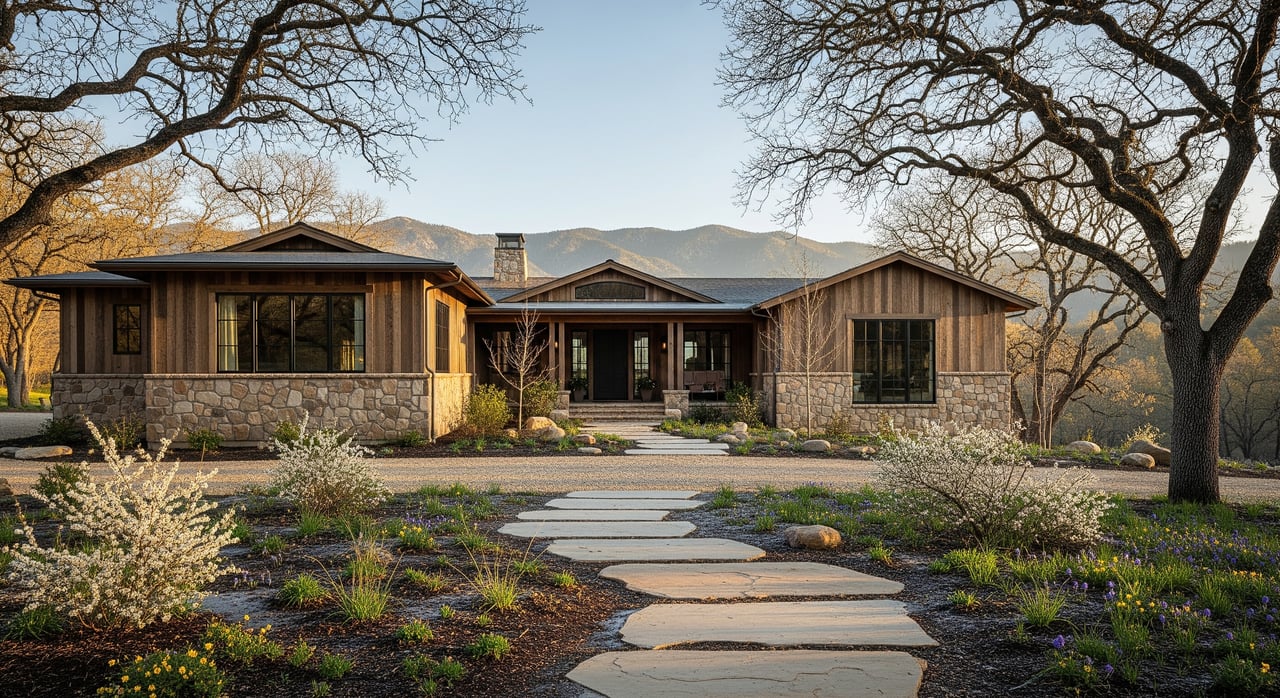
Selling in Sonora is shaped by our Sierra Nevada foothills climate and buyer mix. Winters tend to be cooler and wetter, with shorter daylight and the possibility of rain. That can affect curb appeal, driveway access, and photo conditions. Lawns and trees often look dormant. Spring brings green grass, flowering trees, and brighter skies, which can lift first impressions in photos and at showings.
Your buyer pool also shifts. Winter often brings motivated buyers such as relocators and investors who want less competition. Spring tends to draw more families who plan moves around the school year, as well as out‑of‑area second‑home shoppers who ramp up searches with better weather.
How Sonora’s market behaves seasonally
Industry research shows a spring surge in buyer traffic and listing activity across most U.S. markets. That often leads to stronger sale prices in spring compared with mid‑winter. Winter usually has fewer listings and fewer showings per home. That can create faster deals for well‑priced properties, or longer time on market if price and condition do not match local demand.
Sonora generally follows these patterns, with a few local twists. Investor and second‑home interest often increases in late spring and summer, which can support spring listings for properties that work as vacation homes. Winter listings can benefit from reduced competition if many sellers wait for spring.
Macro factors matter too. When mortgage rates are higher, the buyer pool can shrink and seasonal price differences may soften. When rates drop, the spring premium can widen. Pair seasonal strategy with current Tuolumne County MLS data before you set your date.
Winter advantages and trade‑offs
- Fewer competing listings can help your home stand out.
- Buyers in winter are often serious and ready to decide.
- You can emphasize cozy interior features like a fireplace and efficient heating.
- Trade‑offs: a smaller buyer pool and curb appeal challenges due to rain, dormant lawns, and shorter daylight.
Spring advantages and trade‑offs
- More buyer activity often leads to more showings and stronger price potential.
- Curb appeal improves with green lawns, blossoms, and clear skies.
- Second‑home and out‑of‑area interest tends to rise.
- Trade‑offs: you face more competition from other new listings and need sharper pricing and presentation.
A simple decision framework
Use this to choose between winter and spring based on your goals and property.
- Urgency to sell
- High urgency, such as a job transfer or tax timing, can favor winter. The buyer pool is smaller, but decisions can be faster and competition lower.
- If timing is flexible, spring often offers more buyers and price potential.
- Price vs. speed
- If you want the maximum price and can wait, spring is usually best.
- If you want speed and less hassle, winter can work well with a competitive price.
- Property condition and curb appeal
- If exterior projects or landscaping need time, aim for spring to show your best.
- If interiors are the star and the yard needs work, winter can let you lean into cozy, well‑staged rooms.
- Target buyer type
- Families who prefer summer moves often shop in spring.
- Retirees, second‑home buyers, and investors can be active year‑round, including winter.
- Local comps and inventory
- Check current Tuolumne County inventory and days on market by month. If spring looks crowded, a winter launch can be a smart move.
Listing prep timelines that work
Give yourself enough runway for repairs, staging, photos, and disclosures. Here is a practical plan for each season.
Targeting a spring listing in April–May
- January–February
- Order a comparative market analysis and choose your listing agent.
- Start decluttering and set your staging plan and repair budget.
- Schedule major repairs or permits if needed.
- February–March
- Complete repairs and interior paint.
- Refresh landscaping with pruning, mulch, and planters.
- Finalize listing copy and schedule professional photos for late March or early April.
- April–May
- Go live in early April to capture peak spring demand.
- Host weekend open houses and review offers.
- Typical closings run 30 to 45 days after acceptance, depending on terms.
Targeting a winter listing in December–February
- September–November
- Plan early and complete deferred maintenance.
- Service HVAC and schedule a chimney inspection if applicable.
- November–December
- Stage interiors for a warm, inviting look.
- Book photography on a clear day and plan for interior‑focused visuals.
- December–February
- Consider late January or early February to catch buyers returning after holidays.
- If timing is urgent, a December launch is possible with the right price and prep.
What to handle before you list
These steps apply in both seasons, with a few seasonal tweaks.
- Market analysis and pricing
- Review recent closed sales and active listings from the last 30 to 90 days.
- Choose a pricing strategy that fits your goals, either aggressive for speed or aspirational with close tracking of buyer response.
- Disclosures and documentation
- Prepare California’s Transfer Disclosure Statement and Natural Hazard Disclosure. In Tuolumne County, wildfire, flood, and earthquake zones are key items buyers watch.
- Gather permits, HOA documents if applicable, utility information, and service records for systems like roof, HVAC, septic, or well.
- Pre‑listing inspections and repairs
- Consider a pre‑listing inspection to uncover issues early. In Sonora, pay special attention to heating, fireplaces and chimneys, gutters, roof condition, water intrusion, and septic or well systems.
- Staging, decluttering, and curb improvements
- Neutral staging, minor repairs, and tidy landscaping go a long way.
- Winter: keep walkways safe and well lit for earlier sunsets.
- Spring: maximize fresh mulch, planters, and trimmed shrubs.
- Photos and marketing
- Schedule photos when your exterior looks its best. Use bright interior lighting for winter shoots. Consider a twilight set for depth and warmth.
- Listing logistics and showings
- Launch early in the week to build interest before weekend showings.
- Plan open houses around weather windows in winter and bright weekends in spring.
Staging and marketing tips by season
Winter listing playbook
- Emphasize comfort features such as a fireplace, efficient heating, insulation, and any weatherization upgrades.
- Use warm, balanced interior lighting and declutter to make spaces feel larger.
- Keep driveways and paths clear and safe, and set the thermostat for a comfortable showing.
Spring listing playbook
- Highlight outdoor living areas, decks, patios, shade trees, and views.
- Time photos for green lawns and blossoms, and add simple planters for color.
- Host well‑publicized weekend open houses to capture higher foot traffic.
California disclosures and wildfire readiness
In California, you must provide the Transfer Disclosure Statement and the Natural Hazard Disclosure. The NHD alerts buyers to fire hazard severity zones, flood zones, and earthquake zones. In Tuolumne County, wildfire risk is a major concern. Create defensible space where required, document vegetation management or recent work, and share those records with your agent. Clear disclosures and evidence of maintenance can build buyer confidence and reduce delays.
Pricing, offers, and negotiation by season
- Winter
- Price in line with recent comps and expect lower showing counts but stronger intent from active buyers.
- Be ready to move quickly when the right offer arrives, since motivated buyers often want tight timelines.
- Spring
- Expect more showings and more direct competition. Small pricing and presentation edges matter.
- Prepare to evaluate multiple offers by comparing price, contingencies, financing strength, and closing timelines.
Next steps for Sonora sellers
- Request current local metrics. Ask for a CMA and days‑on‑market by month from the Tuolumne County MLS to see how winter and spring compare right now.
- Clarify your priority. Decide if your top goal is maximum price, speed, or convenience, then match it to the timing framework above.
- Start smart prep today. Declutter, service HVAC, and clear gutters. Schedule exterior work early if you are aiming for a spring launch.
- Plan season‑appropriate marketing. For winter, lean into interior warmth and safety. For spring, showcase outdoor living and landscaping.
- Partner with a local team. An experienced Sonora agent can advise on exact timing, pricing to attract strong offers, and targeted marketing to reach likely buyers.
When you are ready to talk strategy, staging, and timing, connect with Kayla Njirich‑Weldon for a local plan that fits your goals.
FAQs
What is the best month to sell a home in Sonora?
- Spring often brings more buyers and stronger price potential, but your best month depends on current Tuolumne County inventory, mortgage rates, and your goals.
Do homes sell for less in winter in Tuolumne County?
- Not always; winter has fewer buyers but also less competition, so a well‑priced, well‑presented listing can perform on par with spring in the right conditions.
Is it worth listing in December if I need to move quickly?
- Yes, if urgency is high; December can work with competitive pricing, strong interior presentation, and clear paths for showings, even with lower traffic.
Which disclosures are required when selling a home in California?
- You must provide the Transfer Disclosure Statement and the Natural Hazard Disclosure, which covers fire, flood, and earthquake zone information.
How far in advance should I start prepping to sell in spring in Sonora?
- Begin 8 to 12 weeks ahead, typically in January to March, to complete repairs, staging, photos, and marketing setup before an April–May launch.
Should I get a pre‑listing inspection for a Sonora property?
- Yes; it can surface issues early and streamline negotiation, especially for roofs, heating, chimneys, water intrusion, and septic or well systems.