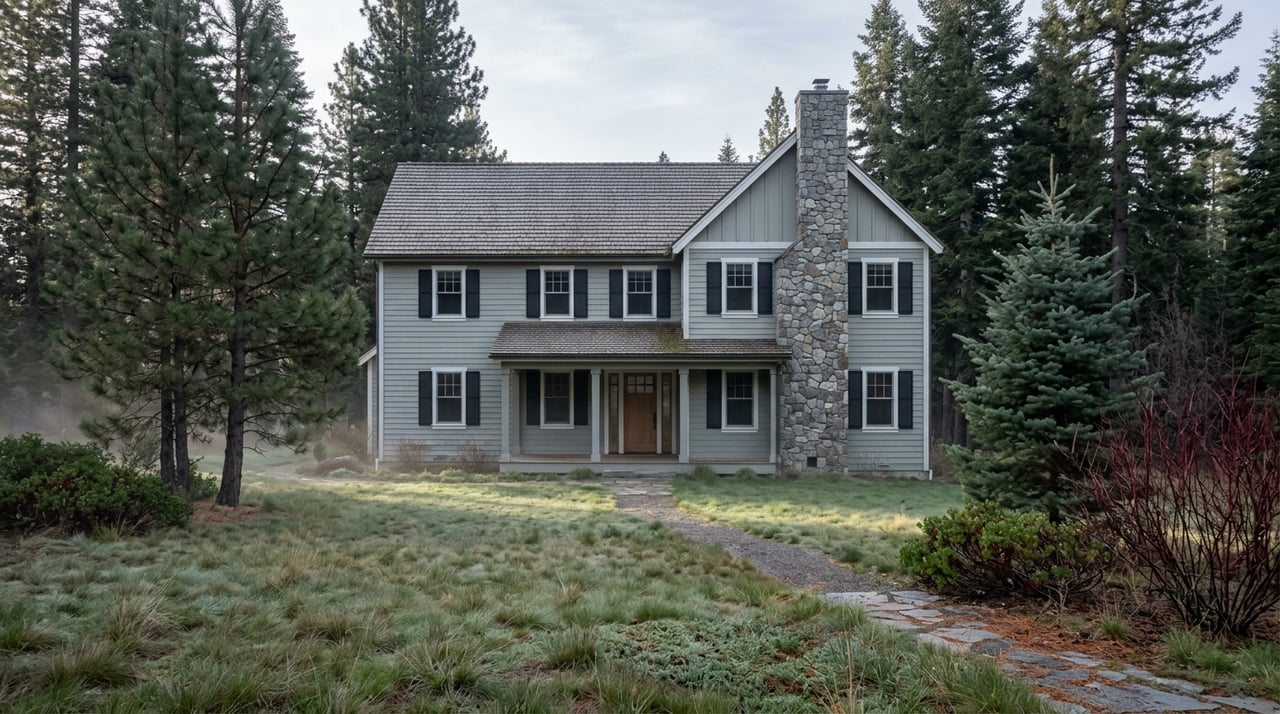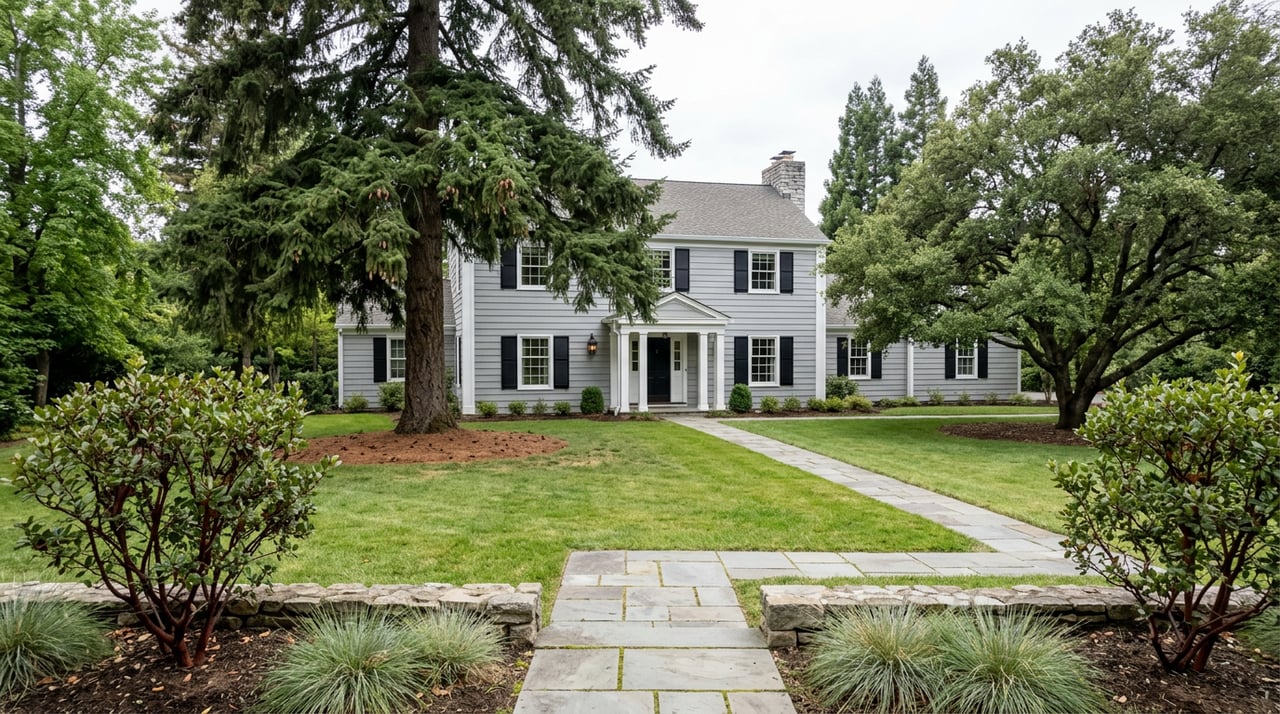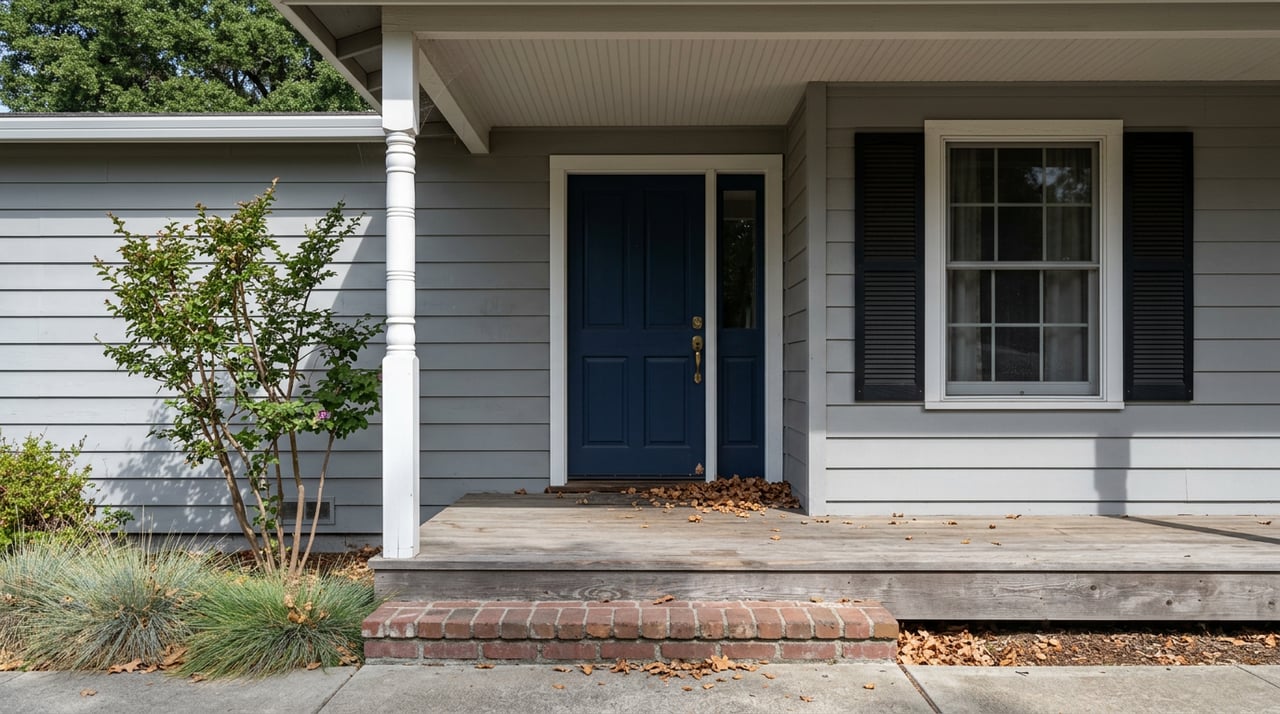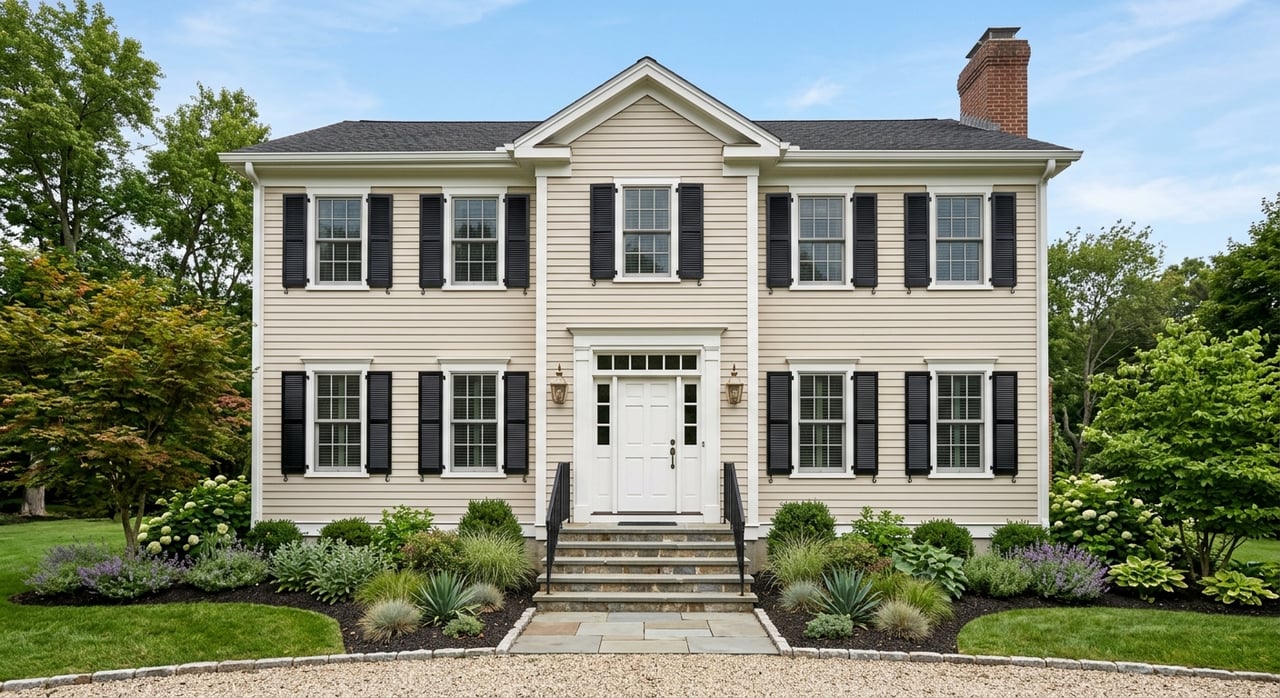
If you are thinking about buying in Columbia, you are not shopping for a cookie-cutter foothill neighborhood. You are looking at a town with Gold Rush roots, preserved historic character, and a housing market that can feel very different from other parts of Tuolumne County. When you understand what makes Columbia unique, you can make a more confident decision about fit, budget, and long-term plans. Let’s dive in.
Why Columbia Feels Different
Columbia is best known for its historic identity. According to California State Parks, the Columbia Historic District is one of the best preserved Gold Rush mining towns in the Sierra and is recognized as a National Historic Landmark.
That history is not just a backdrop. The district still reflects the 1854 to 1858 mining-town period, with 39 buildings that include hotels, saloons, restaurants, banks, stores, residences, churches, fire houses, and a school. Columbia is also a living town today, with a mix of park properties, small businesses, and residents.
For you as a buyer, that means Columbia offers a setting that is hard to duplicate. It also means daily life may come with more public activity than you would expect in a newer residential subdivision.
Expect Tourism and Seasonal Activity
Columbia draws visitors throughout the year. The state park and merchants information notes regular events, school field trips, shops, restaurants, and two hotels in the historic business district.
That visitor appeal is part of what makes the town special. At the same time, it can bring more street activity, more demand for parking, and busier weekends or holiday periods in certain areas.
If you are considering a home near the historic core, it helps to think beyond the house itself. You may want to pay close attention to access, traffic patterns, noise levels at different times of day, and how convenient parking feels during peak visitor periods.
Housing Inventory Is Limited and Unusual
Columbia’s housing mix is not broad or uniform. In Tuolumne County’s fair housing analysis, census tract 21.01, which includes Columbia, is described as having 99.5% single-family units and mobile homes, along with eight mobile home parks and two affordable multifamily complexes with deed-restricted units. The county also links the tract’s high-resource designation to assets such as Columbia State Historic Park, Columbia College, visitor-serving amenities, and the Columbia Airport. You can review that context in the county housing element analysis.
In practical terms, that usually means inventory is small and highly specific. Instead of comparing a long list of similar floor plans, you are more likely to compare homes based on condition, layout, lot shape, parking, upgrades, and how historic or updated each property feels.
That can make buying in Columbia exciting, but it also calls for a more careful evaluation process. Two homes with similar square footage may offer very different value depending on improvements, access, and future maintenance needs.
Historic Rules Can Shape Your Plans
One of the biggest things buyers should understand is that Columbia is part of a county Design Review District. Tuolumne County explains that discretionary entitlements in the district are reviewed for consistency with the applicable design guide, and the Historic Preservation Review Commission reviews development projects affecting historic properties or districts.
The county also notes that its FAQ on planning and review processes includes oversight for historic properties and that the Demolition Review Committee reviews demolition permits for structures that are 50 years old or older.
This matters if you are dreaming about major changes after closing. A project that might feel simple in another area could involve more review here, especially if the home is older or tied closely to the historic setting.
What the design guidelines emphasize
The Columbia Design Guidelines encourage alterations and new work to fit the surrounding historic character and local Mother Lode patterns. Examples include:
- Traditional exterior materials such as brick, wood siding, or stone
- Wood sash windows or small-pane glass
- Porches and balconies
- Picket or wrought-iron fencing
- More restrained color palettes, with brighter colors generally used as accents
The guidelines also discourage chain-link fencing. If exterior appearance matters to your renovation goals, these standards are worth understanding before you buy.
Why timelines may be longer
If a property is especially old or historically significant, approvals may take more time than they would in a newer subdivision. The county’s Building Safety division reviews building permit applications for construction and remodeling projects in the unincorporated county and enforces the 2025 California Building Standards Code.
For buyers, the takeaway is simple: do not assume suburban-style flexibility. If you plan to remodel, add on, replace windows, or make visible exterior changes, it is smart to confirm what review may apply before you commit.
Buying Strategy Matters More Here
Because Columbia is a small, historic market, due diligence tends to be more property-specific than average. A polished listing photo set may not tell you everything you need to know about a home’s permitting history, utility updates, or whether prior work matched county requirements.
Before closing, it is wise to ask detailed questions about:
- Prior permits for remodeling or additions
- Planning approvals tied to past work
- Any demolition history for older structures
- Whether historic review was triggered before
- The age and condition of major systems
- Parking configuration and site access
If you need to investigate possible unpermitted work or compliance issues, Tuolumne County’s Code Compliance resources can be relevant during your review process.
Columbia Pricing Can Vary by Property
Market snapshots for Columbia can look different depending on the source and timing. Zillow reports an average Columbia home value of $403,037, down 2.6% over the past year, while Realtor.com reports a median sale price of $473,070 and says homes sold below asking on average in late 2025 and early 2026.
The gap between those figures is a good reminder that Columbia is not a one-size-fits-all market. In a place with limited inventory and many property-specific variables, value can shift based on condition, location within the community, historic character, and the amount of updating already completed.
For you, that means pricing strategy should stay grounded in the exact property, not just broad averages. A buyer who wants turnkey updates may value a home very differently from a buyer who wants original features and is comfortable with a longer renovation path.
Resale in Columbia Has Unique Tradeoffs
Columbia’s appeal is durable because its character is difficult to replicate. A nationally recognized historic district, a preserved town atmosphere, and steady visitor interest all help support long-term appeal.
Still, niche appeal can work both ways. Preservation rules, older homes, and a more specialized buyer pool may narrow your future resale audience compared with a conventional neighborhood where remodeling flexibility is broader.
That does not mean resale is a negative. It simply means your best purchase is the one that matches both your lifestyle now and your likely plans later. If flexibility matters to you, that should be part of the conversation from the start.
Wildfire Readiness Is Part of Ownership
Like much of Tuolumne County, Columbia sits in a foothill environment where vegetation management matters. The county’s defensible space guidance notes that Zone 0 extends 0 to 5 feet from buildings and Zone 1 extends 30 feet.
If you are buying in Columbia, wildfire preparedness should be part of your property review, not an afterthought. Ask how the lot is maintained, whether trees and vegetation are close to structures, and what ongoing work may be needed to help protect the home.
This is especially important if you are comparing older homes, larger lots, or properties with mature landscaping. Ownership costs are not just about the mortgage. They also include maintenance responsibilities that come with foothill living.
What Buyers Should Focus On First
If Columbia is on your shortlist, start with the basics that matter most in a historic market:
Location within Columbia
Consider how close the home is to the historic business district and how that may affect traffic, activity, and parking.Condition and updates
Look closely at roofs, windows, electrical, plumbing, and HVAC, especially in older homes.Permits and approvals
Verify what work was done, when it was completed, and whether approvals were required.Renovation fit
Make sure your future plans align with county review processes and design expectations.Lot maintenance
Evaluate defensible space, access, and how manageable the property will be over time.
The Bottom Line on Buying in Columbia
Buying in Columbia can be incredibly rewarding if you want authentic Sierra Foothill character and understand the tradeoffs that come with a historic setting. You are not just buying square footage here. You are buying into a town with preserved identity, visitor energy, and a housing stock that asks for thoughtful due diligence.
With the right strategy, Columbia can be a smart and meaningful place to put down roots. If you want guidance on how a specific property fits your goals in Columbia or elsewhere in Tuolumne County, connect with Kayla Njirich-Weldon for locally grounded, consultative support.
FAQs
What is unique about buying a home in Columbia, CA?
- Columbia is a historic Gold Rush town with a limited housing mix, preserved character, and county review processes that can affect remodeling and property changes.
What should buyers expect near the Columbia historic district?
- Buyers near the historic core should expect more visitor activity, events, possible parking pressure, and a more public-facing setting than in a typical subdivision.
What types of homes are common in the Columbia area?
- Tuolumne County’s housing analysis says the area is made up mostly of single-family units and mobile homes, with a relatively small and unusual inventory compared with more conventional neighborhoods.
What remodeling rules should buyers know in Columbia?
- Buyers should know that Columbia is in a Design Review District, and some projects may need review for consistency with local design guidelines or historic preservation processes.
What due diligence is important when buying an older home in Columbia?
- Buyers should confirm permits, planning approvals, prior remodeling work, possible code issues, major system condition, and whether historic review applied to past changes.
How should wildfire preparation factor into a Columbia home purchase?
- Buyers should review defensible space needs, vegetation near structures, and ongoing maintenance requirements because foothill properties often need active wildfire readiness planning.